
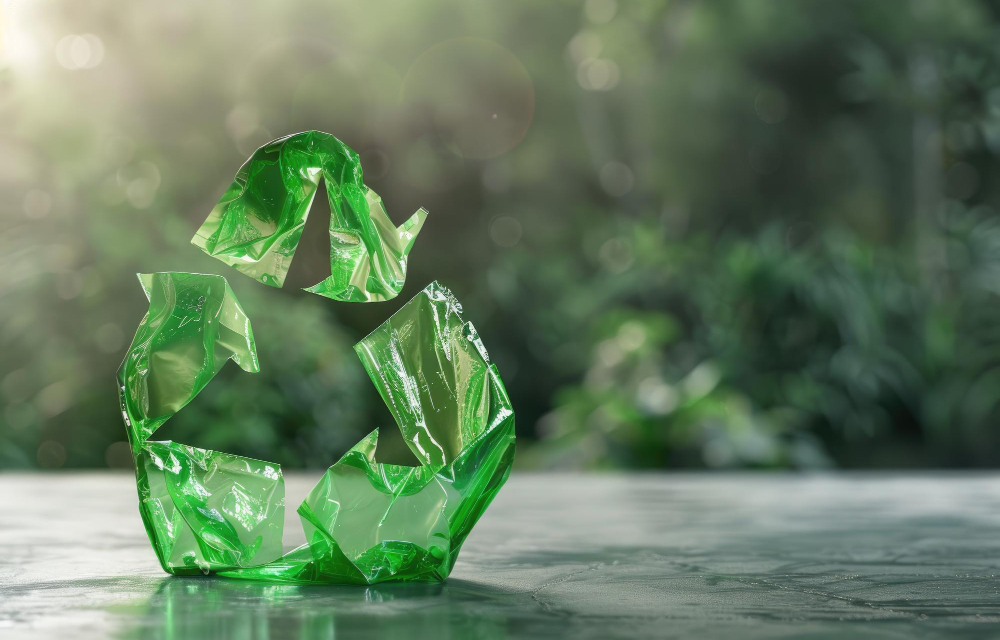
For decades, traditional plastic has been the backbone of global packaging due to its durability and low cost. However, that same durability is its greatest flaw: a single plastic fork can take up to 450 years to decompose, often breaking down into harmful microplastics that poison our soil and oceans.
As the Make in India initiative pivots toward a Circular Economy, compostable and biodegradable alternatives are no longer just “niche” products—they are essential environmental solutions.
What Makes Compostable Products Different?
Unlike traditional petroleum-based plastics, compostable products are typically made from organic materials like sugarcane bagasse, cornstarch, and bamboo.
-
Biological Breakdown: They are designed to return to the earth. Under composting conditions, they break down into water, CO₂, and nutrient-rich biomass within months, not centuries.
-
Zero Toxins: They do not leave behind microplastics or chemical residues, ensuring the safety of our food chain and groundwater.
The Path Forward
By choosing “Made in India” compostable products, businesses and consumers are doing more than just swapping materials; they are investing in a cleaner ecosystem. This shift supports local farmers, reduces our national carbon footprint, and ensures that the convenience of today doesn’t become the environmental catastrophe of tomorrow.
A WordPress Commenter
Hi, this is a comment.
To get started with moderating, editing, and deleting comments, please visit the Comments screen in the dashboard.
Commenter avatars come from Gravatar.